Why So Many Couples Try Everything — and Still Feel Stuck
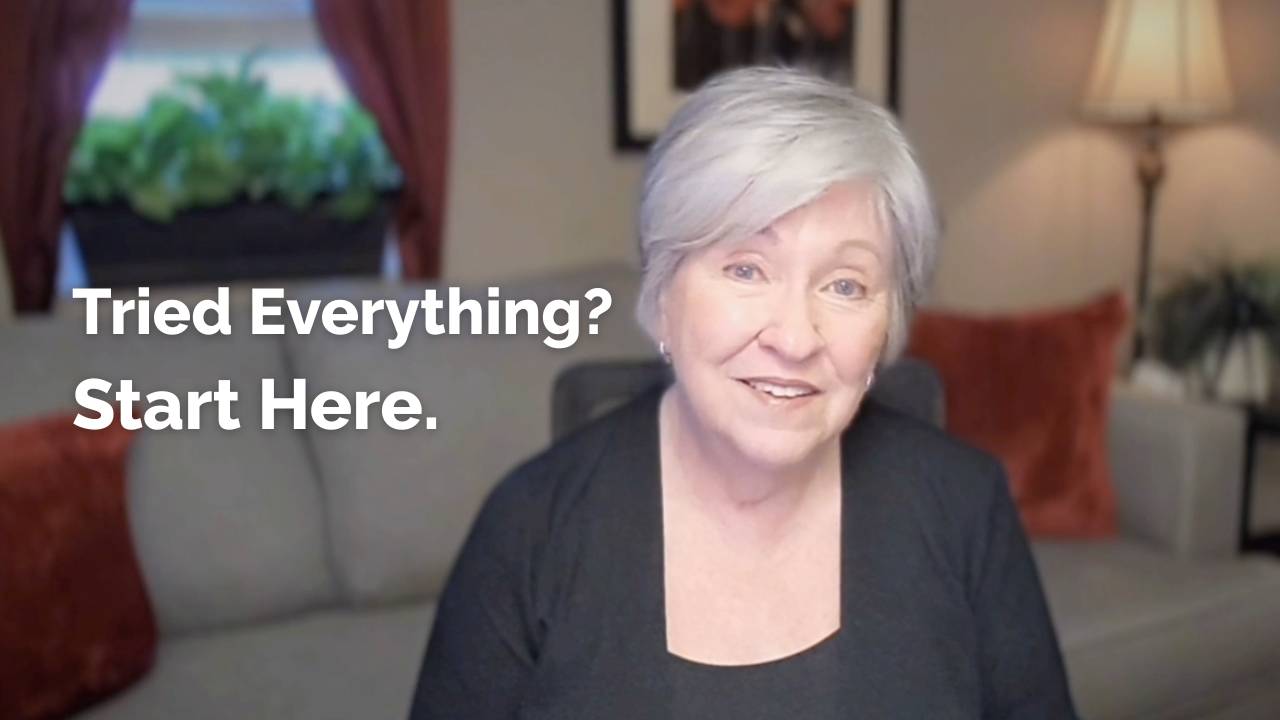
Many couples come to a quiet, painful conclusion after years of effort:
We’ve read the books. We’ve tried counseling. We’ve talked… and talked… and sometimes stopped talking altogether. Why isn’t anything changing?
When this happens, most people assume one of three things must be true:
- Something is wrong with one of us
- We’re incompatible
- Or we waited too long
But in most cases, none of those are true.
What’s missing is not effort, devotion, or intelligence — it’s understanding.
Specifically, understanding how men and women are designed differently — emotionally, relationally, and neurologically — and how those differences shape the patterns couples get stuck in.
Traditional marriage help often relies on individual therapeutic models. Those approaches can be very effective for personal healing, but they frequently fall short when applied to a man and a woman trying to solve a relational pattern together.
Why?
Because men and women do not:
- process emotion the same way
- experience safety the same way
- seek connection the same way
- or respond well to the same relational environment
When those differences aren’t understood — by the couple or by the professional trying to help — both partners can walk away feeling more discouraged, more misunderstood, and more alone than when they started.
This is especially true in counseling settings where:
- one partner feels subtly blamed
- emotional intensity is allowed without structure
- empathy is offered without direction
Awareness increases — but clarity doesn’t.
And awareness without tools is exhausting.
What actually changes a marriage is not venting, persuading, or proving who is right.
Change begins when a couple can finally see:
- what pattern is happening between them
- why each person responds the way they do
- and how their gender differences feed the pattern — unintentionally
When that understanding is in place, something remarkable happens.
Blame softens.
Defensiveness eases.
Safety increases.
And both partners become more open — often quickly.
This is the foundation of the Revolutionary Marriage approach:
education before correction,
safety before skill,
and understanding before change.
Watch the Full Episode
In the episode below, I walk through this framework slowly and clearly — including:
- why many men shut down in counseling (and why it’s not resistance)
- why many women feel more alone after trying to get help
- the three common counseling mistakes that keep couples stuck
- and what a truly gender-informed, forward-moving approach looks like
If you’ve ever felt like nothing has worked despite your best efforts, this conversation may help things finally make sense.
Want to know more?
Unsubscribe at any time.